
Memphis Criminal History Records
Memphis criminal history records are shaped by Shelby County courts, the Memphis Police Department, and the Shelby County Sheriff's Office. The city has a large records footprint, so the best search path depends on what you need. Some people want an arrest report, some need a court docket, and others need inmate or warrant data. Memphis also has seen heavy records scrutiny, so requests can take longer than you expect. Start with the right office, use the right case details, and keep your search focused on the record type you want.
Memphis Criminal History Quick Facts
Memphis Criminal History Records at MPD
The Memphis Police Department handles local police records, and the City of Memphis has used multiple request channels for public access. Research notes describe a JustFOIA portal for some requests, but police records often go through the MPD Records Unit or the City Attorney's Open Records Division. That means the first step is matching the request to the record. Incident reports, arrests, crash files, and 911 materials each move through different paths. When you know the date, place, and type of event, the request is easier to route and easier to track.
Memphis requests can require Tennessee residency verification, a clear description of the record, and contact details for the person making the request. That matters because broad requests slow everything down. The city has faced recent records litigation, so delay is part of the local reality. A narrow request works better than a vague one. If you are after a Memphis arrest record, start with the arrest date, the suspect name, and the report number if you have it. That saves time at the desk and cuts down on back-and-forth.
| Police Department | Memphis Police Department Public Safety Building, 170 N. Main Street, Memphis, TN 38103 Main Phone: (901) 636-3700 |
|---|---|
| Records Contact | Central Records Division, (901) 636-3700 |
| Request Channels | Online portal, mail, in person, email, fax |
| Request Notes | Tennessee residency verification, record date, location, and case number if known |
Memphis police records can include incident reports, arrest records, crash reports, and 911 materials. Internal affairs files and sensitive case material may be restricted. If your request is for a public report, keep the wording simple and the date range tight. That makes it easier for the records staff to find the right file. For a fast start, the Shelby County inmate tools also help confirm whether the person is in custody and where the booking happened.
One useful county source is the Shelby County Sheriff's Office, which ties together jail, warrant, and custody data. Local record seekers often need both the city police file and the county custody record to understand a Memphis case. That is common here. The city and county records work together, not apart.
The county's booking system can also point you to the right file path. If you are looking for a live custody record, start with the sheriff, then move to the arresting agency, then the court. That order saves time.
Learn more through Shelby County's inmate lookup tool.
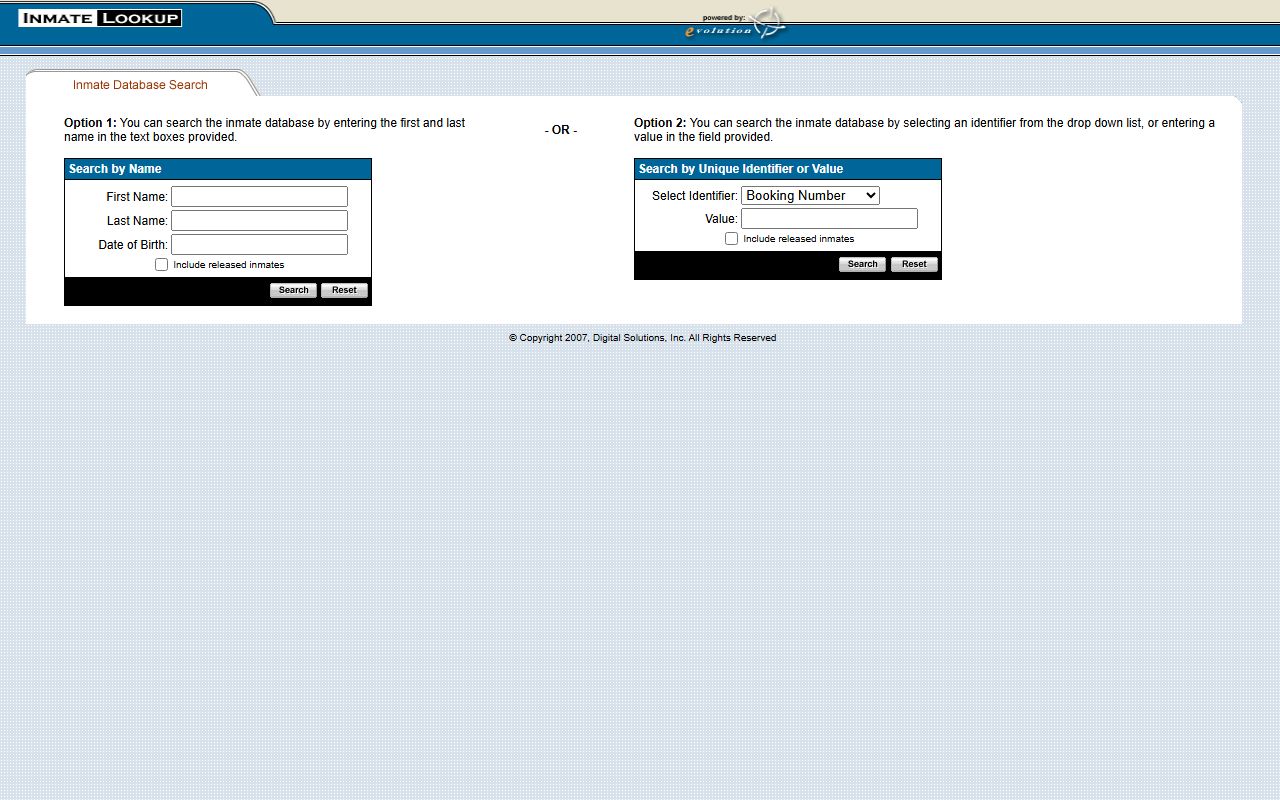
This county lookup helps confirm custody status, booking date, and bond details before you move on to the court record.
Memphis Criminal History at Shelby County Courts
Memphis criminal history records do not stop at the police file. Court records matter just as much. Shelby County General Sessions Court handles misdemeanors, preliminary hearings, and traffic matters, while Shelby County Criminal Court handles felony prosecutions and more serious criminal cases. Those court files are where you find the case path, the charge history, and the final result. If you want the best record for a Memphis case, the court file is often the core source.
For many searches, the Clerk of Court is the right office. Shelby County Criminal Courts are located at 201 Poplar Avenue in Memphis, and the General Sessions Court public records office is at the Walter L. Bailey Criminal Justice Center. Court staff can often locate a docket with a name and date of birth, but you will usually need more detail for older cases. A case number is best. If you do not have one, a full name and rough year can still help.
Memphis court records can also show whether a case ended in dismissal, a plea, a sentence, or an active warrant. That is useful when you are piecing together a criminal history timeline. Under Tennessee law, court files are part of the broader public records system unless they are sealed, expunged, juvenile, or otherwise exempt. For statewide rules, see the Tennessee Public Records Act and the criminal history provisions in T.C.A. § 38-6-101 et seq.
Some Memphis court records are available through the Tennessee court system, while others still require a direct clerk request. That is normal. The city is big, and the record paths are split. If you know the court division, ask for that division first. If you do not, start with the criminal court clerk and let them sort the file type.
For statewide appellate or general court lookup, the Tennessee court system remains the main hub at tncourts.gov.

This record source is useful when a Memphis case intersects with county detention records or post-conviction custody information.
Memphis Inmate and Warrant Records
Memphis inmate and warrant records usually move through Shelby County rather than the city police desk alone. That is why a custody search often starts at the sheriff's office. The county keeps the Main Jail at 201 Poplar Avenue and Jail East at 6201 Haley Road. If a person has been booked in Memphis, the custody record can help you confirm the detention site, booking date, and bond information. Those details matter when you are checking a criminal history file from the city side.
Shelby County also maintains warrants and fugitive information. That is useful when an arrest has not yet turned into a clean court entry. The sheriff's site can tell you whether a person is still in custody or if an active warrant is part of the case. For many Memphis searches, that is the bridge between the police report and the court file. It also helps if the case is old and the court search needs a second clue.
The county's jail and warrant tools are public and updated often. They are not a substitute for a full court record, but they are a fast way to verify status. If you are trying to track a Memphis criminal history across several stages, use custody first, court second, and the state repository third. That keeps your search clean.
Learn more through Shelby County warrants and the SCDC inmate records page.

This image points you to the county's warrant side, which is often the missing piece in a Memphis criminal history search.
For a live custody query, the county also offers the Shelby County inmate lookup tool.

The sheriff's office page is the best single place to start when a Memphis record touches jail, warrants, or arrest follow-up.
Tennessee Criminal History Sources
Memphis searches often need a state layer too. The Tennessee Bureau of Investigation is the central repository for criminal history records. If a local search does not answer everything, TORIS can help fill the gap with statewide data. That is especially useful when a person has cases in more than one county. The same is true for release status and certain registry searches. A local file may show the arrest, but the state file can show the wider record trail.
Use the state sources in a sensible order. Start with the city or county record, then move to the state repository, then check the court system. If you need a public criminal history check, the TBI TORIS system is the main place to start. If you need release information, use the Tennessee Department of Correction FOIL system. If you need a sex offender search, use the TBI registry. Each one covers a different slice of the record.
Helpful statewide links include TBI background checks, TORIS, FOIL, the Tennessee Sex Offender Registry, and VINELink. If you are checking juvenile transfer issues, T.C.A. § 37-1-134 matters because it explains when a juvenile case can move into adult criminal court.
Expungement matters too. If a case was cleared, the record may not show up in the same way. The statute to review is T.C.A. § 40-32-101. That is the key rule for many Memphis record searches that seem incomplete or have a gap in the timeline. It is one reason local and state searches should be read together, not apart.
This final county source keeps the Memphis search anchored to the local agency that starts many arrest and custody records.
Memphis Public Records Limits
Memphis public records are broad, but not open-ended. Active investigations, juvenile records, sealed files, expunged material, and sensitive victim information can be withheld or redacted. That is true at both the police and court level. A request that names the wrong file type may come back with a partial answer, so it helps to know whether you need the report, the docket, or the custody record. The more exact you are, the better the response usually is.
If you are working with a criminal history timeline, remember that a single case can live in several places. MPD may have the incident report, Shelby County may have the jail record, and the criminal court clerk may have the plea or judgment. None of those offices tells the whole story by itself. Memphis searches go faster when you treat them as linked records instead of one file.
Note: If a Memphis file was expunged, sealed, or transferred from juvenile court, the public record trail may be short even when the case really existed.
For the state rules behind those limits, the key statutes are the Tennessee Public Records Act, T.C.A. § 38-6-101 et seq., and T.C.A. § 40-32-101.