
Lauderdale County Criminal History Records
Lauderdale County criminal history searches usually run through the sheriff, the county records coordinator, and the courthouse in Ripley. The county has a jail, a limited online record trail, and a public records process that still depends on direct contact for the best results. That means the search is practical, but it works best when you keep it tight. If you need custody, start with the jail. If you need a docket or case result, move to the clerk. If you need a broader Tennessee trail, use the state tools. The county is small enough that a direct call often gets you to the right office fast.
Lauderdale County Quick Facts
Lauderdale County Criminal History Sources
Lauderdale County criminal history work starts with the sheriff's department and jail. The research lists Sheriff Steve Standers, the county justice complex at 675 Highway 51 S. in Ripley, and a jail phone number that can be used for custody questions. It also says the online inmate search is limited, so the best method is often a phone call or an in-person visit. That keeps the county process simple. If you are checking whether someone is booked, bonded out, or still inside, the sheriff side is the right first stop.
The first image reference fits the sheriff-and-jail side of the search, where Lauderdale County still relies on direct contact more than a broad public web roster.
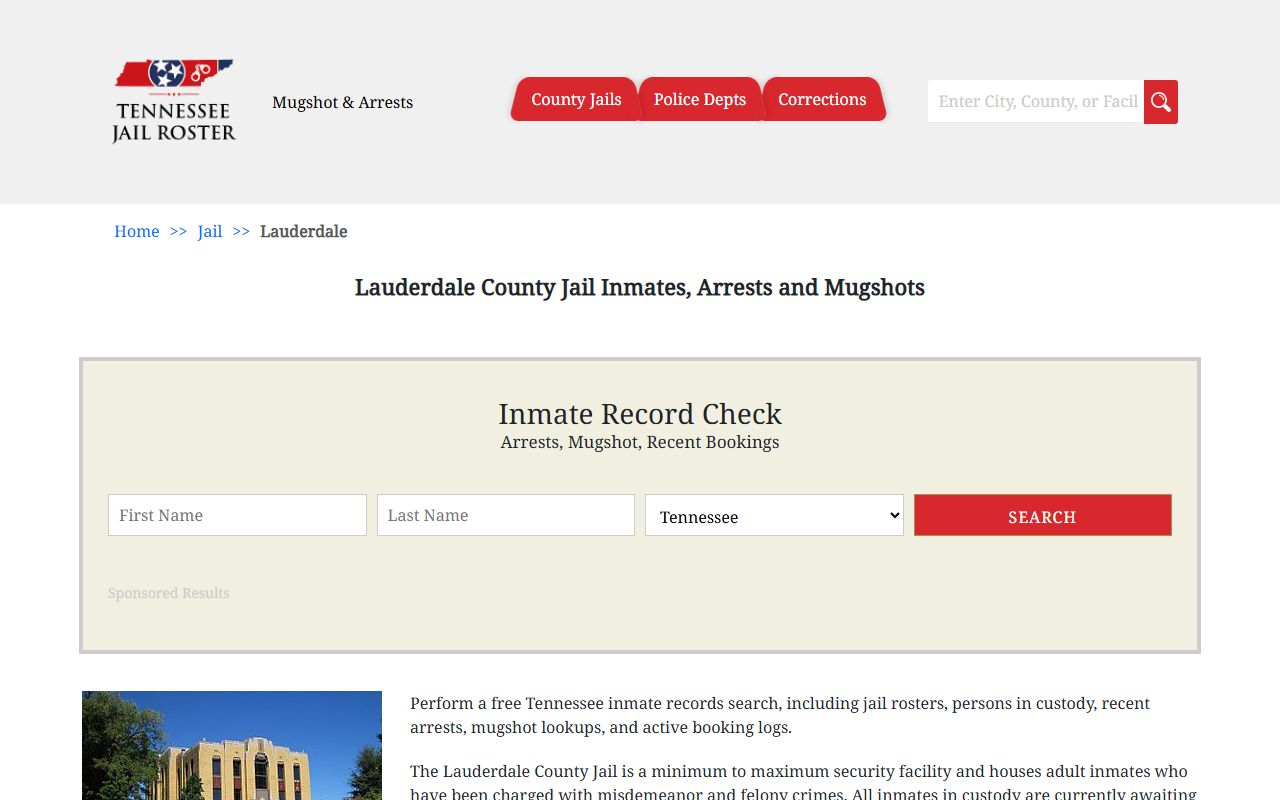
This image reference helps confirm the custody side, even though the county says direct contact is still the main search method.
Lauderdale County also has a public records coordinator. The research lists the coordinator at Lauderdale County Government, 100 Court Square in Ripley, and says requests can be made in person or by mail with a seven business day response standard. That matters because not every file will be in a portal. When the record is not online, the coordinator becomes the next step after the jail call.
Lauderdale County Criminal History in Court
Lauderdale County court records are the other half of the search. The county research says there are circuit, general sessions, chancery, and juvenile courts, with limited county-specific online access. That means the court file still lives close to home. If you need the charge, the hearing, or the final disposition, the courthouse in Ripley is where the useful file usually sits. The jail can tell you where the person is. The court can tell you what happened in the case.
For county court records, lauderdale.tncrtinfo.com is the first image reference on this page.
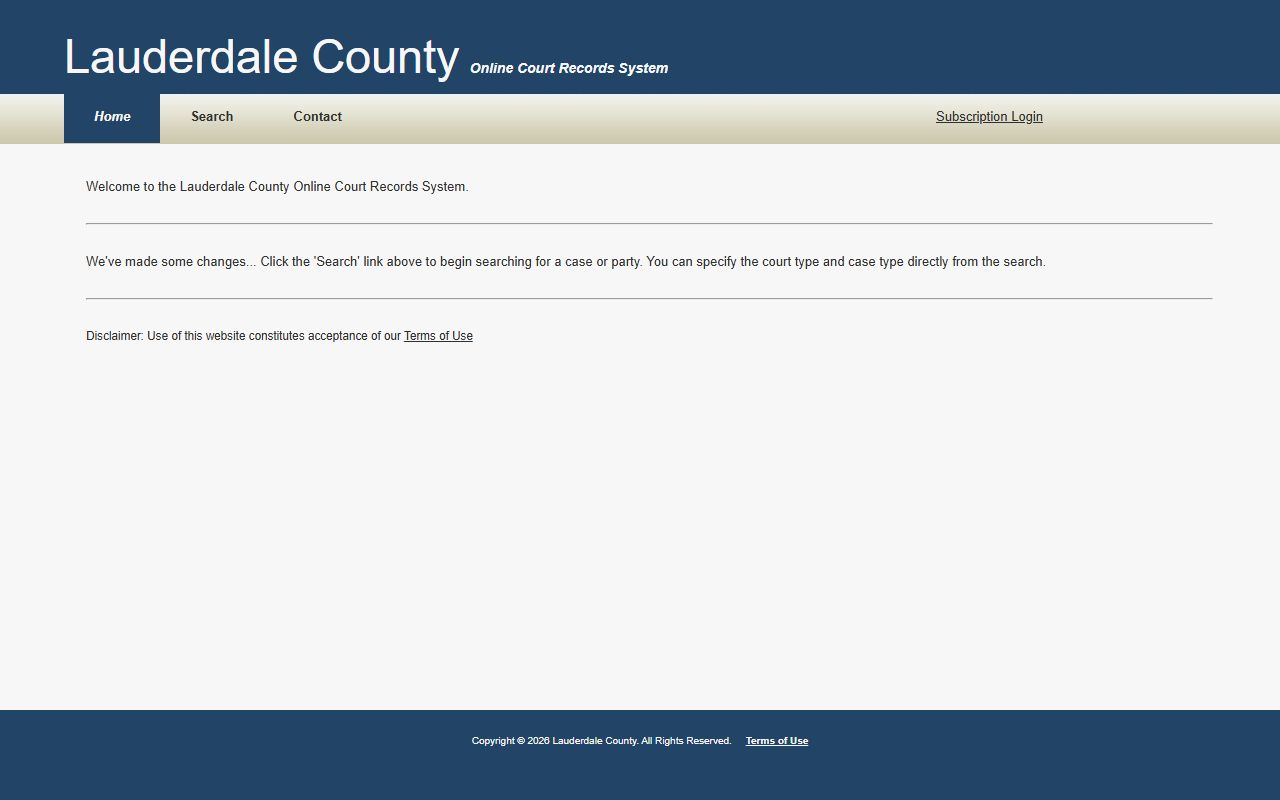
This court image is useful because it points to the local docket side when the jail contact does not answer the whole question.
Trial records remain local, while statewide appellate guidance lives with the Tennessee court system. If you need older case material or a higher court record, the Tennessee Public Case History tool is the best state backup. That split is normal and helps keep the search organized. Lauderdale County is small, so a direct court question often gets you to the right file faster than a broad web search would.
If you need to know whether a record is public or redacted, the clerk can usually tell you whether the file is available for inspection or whether a restriction applies.
Lauderdale County also has a juvenile court in the same county court mix, which matters because not every criminal history question belongs in the same division. If a name or date does not fit the circuit or general sessions trail, the clerk can help point the search to the right place. That is useful in a county where the courthouse and the jail are the main record anchors.
Lauderdale County Criminal History Search Steps
A Lauderdale County search works best when you start with the sheriff or jail phone number, then move to the records coordinator or court clerk if you need copies. The county research says inspection is free, copy fees may apply, and responses should come within seven business days. That means the county process is fairly clear, even if the online footprint is limited. A phone call is often enough to learn whether the file is at the jail or the courthouse.
If the county file does not answer everything, state tools can fill the gap. TORIS is the statewide criminal history search. TDOC FOIL gives offender status. VINELink gives custody alerts. The Tennessee Public Case History tool can help if the case moved into the appellate system. Those sources do not replace the local clerk, but they help build a full Lauderdale County criminal history picture.
Use the official state search at TORIS when you need a statewide criminal history check. If you need offender status, use TDOC FOIL. If you need a custody alert, use VINELink. And if you need appellate guidance, use Tennessee Public Case History.
For Lauderdale County, the cleanest path is still local first, state second, and appellate last.
Lauderdale County Criminal History Records
Lauderdale County criminal history records are manageable once you know the county's rhythm. The sheriff handles custody. The records coordinator handles requests. The courthouse handles the case file. State tools fill in the rest. That means you do not need to search everywhere at once. You just need to use the office that owns the record in front of you.
Because the county keeps limited online access, direct contact matters more here than in a larger county. If the jail says the person is not there, ask whether the court file is next. If the court file is not online, ask the clerk what can be inspected in person. That sequence saves time and keeps you from bouncing between offices. It also makes it easier to get a written response if you need a copy.
Note: Lauderdale County criminal history searches are fastest when you treat jail, court, and state records as separate steps rather than one request.
For the broader Tennessee trail, TORIS, FOIL, VINELink, and Public Case History are the official backup sources that can fill the gaps left by a small county file.
Ripley is the county seat, but the county's response process is what makes the search usable. Inspection is free, copies may cost extra, and the response window is set at seven business days. Those practical details matter when you are deciding whether to make the trip in person or send a written request first. The county process is not flashy, but it is clear enough to follow.